- The right screen protector can make all the difference in the lifespan and protection of your phone, especially against drops and scratches.
- Hydrogel protectors offer the greatest adaptability for curved screens and improve the user experience with fingerprint sensors, although they require more attention during installation.
- Tempered glass still offers the best protection against impacts and scratches if you prioritize durability, although it has limitations on curved screens and under-screen fingerprint readers.
- Choosing between hydrogel, tempered glass, or plastic depends on your needs: maximum protection, tactile experience, or budget.

Protecting our smartphone screen is one of our biggest concerns today, especially considering the fragility of the materials used in today's phones, especially, but not exclusively, high-end devices. For this reason, buying a case and a screen protector has become practically a must if we want to maintain the integrity of our phone for longer, especially if we're not particularly careful with our hands.
Choosing the right case means investing in a quality model that covers the entire surface of the device, preventing it from being ejected if dropped. However, when it comes to selecting a screen protector , the questions multiply: tempered glass, hydrogel, or plastic? Each option offers different features, advantages, and limitations, and in this article, we'll analyze everything you need to know to make the right choice.
Why is it essential to protect your smartphone screen?
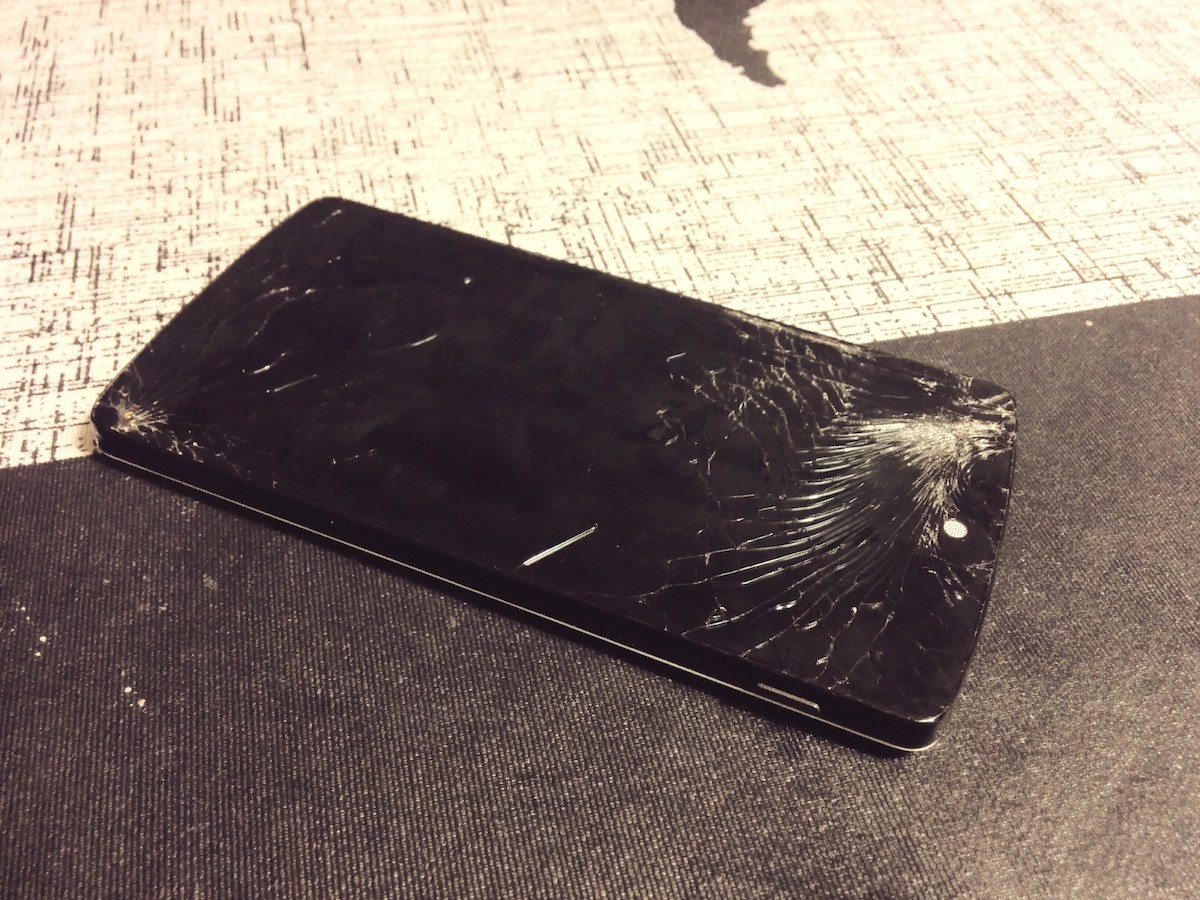
When a brand launches a new model, it usually highlights both the quality of its camera and the advantages of its screen, including the protective layer used (usually Gorilla Glass or Dragontrail). However, despite technological advances and the materials used, no glass is completely infallible against bumps, drops, or scratches.
Screen glass is often subjected to chemical processes that improve its hardness, resistance to impacts and scratches, and even prevent bacteria from growing on the surface. Despite this, in everyday use, it's easy to find small damage, especially if you carry your phone in the same pocket as your keys, coins, or other metal objects.
Both Gorilla Glass and Dragontrail offer similar and quite advanced levels of protection, but neither can guarantee that an unfortunate drop or a scratch from a sharp object won't permanently damage the screen. For this reason, installing an additional screen protector is highly recommended.
Some manufacturers, such as Apple and Samsung, use sapphire to protect their camera lenses, but the high cost of this material prevents it from being used to protect the entire screen. Artificial sapphire is commonly used in high-end watches due to its high resistance to impacts and scratches, but its price makes it unviable for mainstream mobile phones.
Using screen protectors remains the most reliable and affordable option to avoid costly repairs and maintain the optimal appearance and performance of our smartphone.
Types of screen protectors: tempered glass, hydrogel, and plastic

- Tempered glass: The most well-known and widely used. Manufactured using thermal and chemical processes that increase its resistance and ensure greater protection against bumps and scratches. It is usually composed of several layers: a silicone base, an oleophobic layer that reduces fingerprints and glare, and a reinforced glass layer.
- Hydrogel protectorFlexible TPU (thermoplastic polyurethane) membrane, adapting perfectly to the surface of the phone, especially useful on curved screens or those with under-display fingerprint sensors. Its flexibility allows for full coverage and greater impact absorption.
- Plastic protector: The most economical option. It usually protects against light scratches, but its effectiveness against impacts is very limited and its durability is inferior to other alternatives.
Each of these protectors has pros and cons that should be analyzed in detail before making a decision.
Advantages and disadvantages of tempered glass

Tempered glass is possibly the most widespread type of screen protector on the market and the preferred choice for those seeking maximum protection against drops and scratches.
- High impact resistance: The tempering process makes it up to five times more resistant than regular glass. When dropped or impacted, it usually takes the damage instead of the phone's screen.
- Protection against scratches and metal objects: It allows you to carry your phone with keys or coins without fear of damage, as long as the glass covers the entire screen. To understand which protector is best for your phone, you can check out reviews of hydrogel screen protectors on various platforms.
- Natural tactile experience: The touch is very similar to that of the original screen, maintaining the fluidity and response to mobile use.
- Easy installation and replacement: Its installation is usually simple and if it breaks, it can be removed and replaced with a new one without complications.
Despite these advantages, there are some important limitations that should be considered:
- Does not cover curved edges: The rigidity of the glass means that curved screens leave unprotected areas, which can lead to the formation of air bubbles or loose edges.
- Under-screen fingerprint sensors: On some models with an integrated fingerprint reader, the thickness of the glass may hinder biometric recognition, affecting the speed or reliability of unlocking.
- Chipping at the edges: If the glass is not of high quality or if it is hit in an exposed area, the thin edges can easily chip.
- Less aesthetic flexibility: Being a rigid material, it is more visible than hydrogel and can slightly influence the overall design of the phone.
It is increasingly common to find specified hardness differences on tempered glass protectors, such as 6H or 9H (according to the Mohs hardness scale), which indicates the ability to resist scratches from increasingly hard objects.
Hydrogel: Is it really the future of screen protection?

Hydrogel screen protectors have become popular as a flexible and ultra-thin alternative for protecting all types of screens, especially curved ones or those with in-display fingerprint sensors. They are made of TPU, a flexible, self-healing synthetic polymer that absorbs minor impacts and perfectly adapts to the contours of the device.
- Total adaptability: Their flexible material allows them to fit even sharply curved screens, providing full coverage with no unprotected areas.
- Excellent tactile response: They barely affect the user experience, making them ideal for phones with under-screen fingerprint sensors.
- Absorption capacity: When hit, the hydrogel absorbs it without breaking or shattering. The impact isn't transferred to the screen, and the protector rarely chips or cracks.
- Self-healing for minor marks: Many models can regenerate small marks and indentations caused by nails, keys, or other objects, thus prolonging the life of the protector itself.
- Discreet aesthetics: Their minimal thickness (often less than 0,02 mm) makes them virtually invisible, respecting the phone's original design and allowing the use of cases.
- Versatile application: They can also be used as back protectors or for other parts of the device, thus expanding the comprehensive protection of the mobile phone.
But it's not all advantages. Hydrogel also has drawbacks that are important to consider:
- Greater difficulty in installation: Installation requires precision and patience to avoid bubbles, creases, or misalignment. In many cases, it's preferable to consult a professional or strictly follow the manufacturer's instructions.
- Different tactile sensation: Although many users find it smoother to the touch, others perceive a slightly oily or more slippery feel than tempered glass.
- Less resistance to deep scratches: It's more susceptible to scratches from contact with keys, coins, or sharp objects. While it can regenerate from minor damage, deep scratches can become permanent.
- Limited durability: They deteriorate or yellow over time and with exposure to sunlight or heat. It's recommended to replace them every six months or a year to maintain the protection and aesthetics of your phone.
- Top price: Although they've come down in price, they're still more expensive than many standard tempered glass models, especially if you opt for models from well-known brands.

Who is hydrogel especially recommended for?
Hydrogel protectors are the best option for those with curved screens, phones with under-screen fingerprint sensors, or devices where aesthetics and a tactile experience are a priority. Additionally, those looking for full coverage, with no missing corners or edges, will find hydrogel the perfect solution.
How to install a hydrogel protector correctly?
Most hydrogels come in the form of self-adhesive sheets protected by several layers that must be removed following these basic steps:
- Thoroughly clean the screen, removing dust and fingerprints.
- Place the protector over the top without removing the adhesive to check the alignment with the front camera and sensors.
- Remove the first protective layer and begin applying the hydrogel from one end, using a spatula or card to prevent bubbles.
- Once spread, remove the second layer that protects the surface when the hydrogel is fully adhered.
Remember to handle it with patience to prevent it from peeling off at the corners or leaving air bubbles.

Advantages and limitations of plastic protectors

The plastic protector was for years the quintessential budget alternative and can still be found today in low-end models or as a temporary solution.
- Very low price: They're the most affordable option. They can be purchased in packs and replaced frequently.
- Basic scratch protection: Effective for preventing light marks from dust, keys, or dull objects that may share a pocket with your phone.
However, its disadvantages often outweigh:
- Low resistance to shocks or falls: They do not absorb impacts or prevent the screen from breaking if the impact is strong.
- Limited durability: The adhesive often loses effectiveness quickly, causing the protector to peel off or dust to accumulate between the screen and the plastic.
- Compromises visibility and user experience: Bubbles tend to appear easily, and the finish can affect the screen's image quality and feel, and can also easily leave fingerprints.

Comparison: Hydrogel or Tempered Glass? Which is Best for You?
The decision between tempered glass and hydrogel depends on your needs, your phone's design, and your personal priorities. Below, we analyze the key factors to help you decide:
| Criterion | Tempered glass | Hydrogel |
|---|---|---|
| Shock protection | Very high, absorbs impact and often breaks to protect the screen. | It absorbs shocks well, but is less robust in the case of very strong impacts. |
| Scratch resistance | Excellent against keys, coins and sharp objects. | Good against light scratches, but sensitive to deep marks. |
| Coverage and adaptation | They cover the flat part, which is difficult on curved screens. | Adapts to any shape, ideal for curved screens and 3D edges. |
| Touch and visibility | Natural feel, similar to the original screen. | Softer, gel-like effect, less glare and fingerprints. |
| fingerprint recognition | It may fail in sensors under the screen. | It does not affect recognition or speed. |
| Durability | Very high, but it is damaged when hit hard. | It wears out faster, but some have self-repairing marks. |
| Price | More economical in most cases. | Superior (can double or triple the price of tempered glass). |
| Esthetic | More visible, greater thickness. | Almost invisible, it respects the original design. |

When is it best to choose each one?
- Choose tempered glass If you're looking for maximum physical protection against drops and bumps, and if your phone has a flat screen without under-screen fingerprint sensors.
- Choose hydrogel If you have a phone with a curved screen, you're concerned about aesthetics, or you want the best experience with fingerprint readers or advanced touch functions.
- Consider the plastic protector only as a temporary solution or if your budget is very limited.
Frequently asked questions and common doubts about screen protectors
How often should you change the hydrogel protector?
It's recommended to replace it every six months or a year at most, depending on usage, the appearance of marks, or the accumulation of dirt. A severely damaged protector begins to lose its shock-absorbing properties and can affect screen visibility.
What is the difference between 6H, 9H and 9D tempered glass?
The H (Mohs) scale indicates the hardness of glass and its ability to resist scratches. A 9H tempered glass is much more resistant than a 6H one. The term 9D refers to a thinner, more flexible layer, designed to improve touch sensitivity.
Can hydrogel be used as a back protector?
Yes, hydrogel, due to its flexibility and adaptability, is also used as a protector for the back cover of some models, especially premium or glass phones.
Where to buy quality screen protectors?
It's recommended to purchase them from specialized stores or reputable online platforms. Prices may vary depending on the phone model, with hydrogel generally being more expensive than tempered glass.
Can you install the hydrogel protector yourself?
Yes, although it's recommended to follow the instructions carefully and have the right tools, especially a spatula or card to remove bubbles. If in doubt, consulting a professional guarantees a better result.
After analyzing all the current options for protecting your mobile phone screen , the final choice will depend on your needs and priorities: if you're looking for durability and drop protection, tempered glass is still king; if you value full coverage on curved screens, aesthetics, touch response, and compatibility with biometric sensors, hydrogel is a safe bet. Plastic screen protectors do the job if you're on a tight budget, although their protection is very limited. Whatever your decision, the important thing is to protect your investment and enjoy a smooth user experience without unexpected problems or repairs.
Table of Contents
- 1 Why is it essential to protect your smartphone screen?
- 2 Types of screen protectors: tempered glass, hydrogel, and plastic
- 3 Advantages and disadvantages of tempered glass
- 4 Hydrogel: Is it really the future of screen protection?
- 5 Advantages and limitations of plastic protectors
- 6 Comparison: Hydrogel or Tempered Glass? Which is Best for You?
- 7 Frequently asked questions and common doubts about screen protectors