- There are numerous methods to verify if a Samsung is genuine, based on specifications, model numbers, IMEI, and physical verification.
- Replicas may include very similar details, but often lack software, materials, and Samsung's secret codes.
- Using official Samsung apps and checking the packaging, accessories, and place of purchase are key steps to avoiding scams.

Identifying whether a Samsung phone is genuine or counterfeit is crucial for anyone buying a smartphone, especially given the increasing sophistication of replicas and Samsung's immense global popularity. This tutorial provides you with all the latest guidelines, tips, and tricks to help you spot a Samsung clone, compare features, check serial numbers, analyze components, and avoid scams, regardless of the model or release year.
Method 1: Analyze Technical Specifications
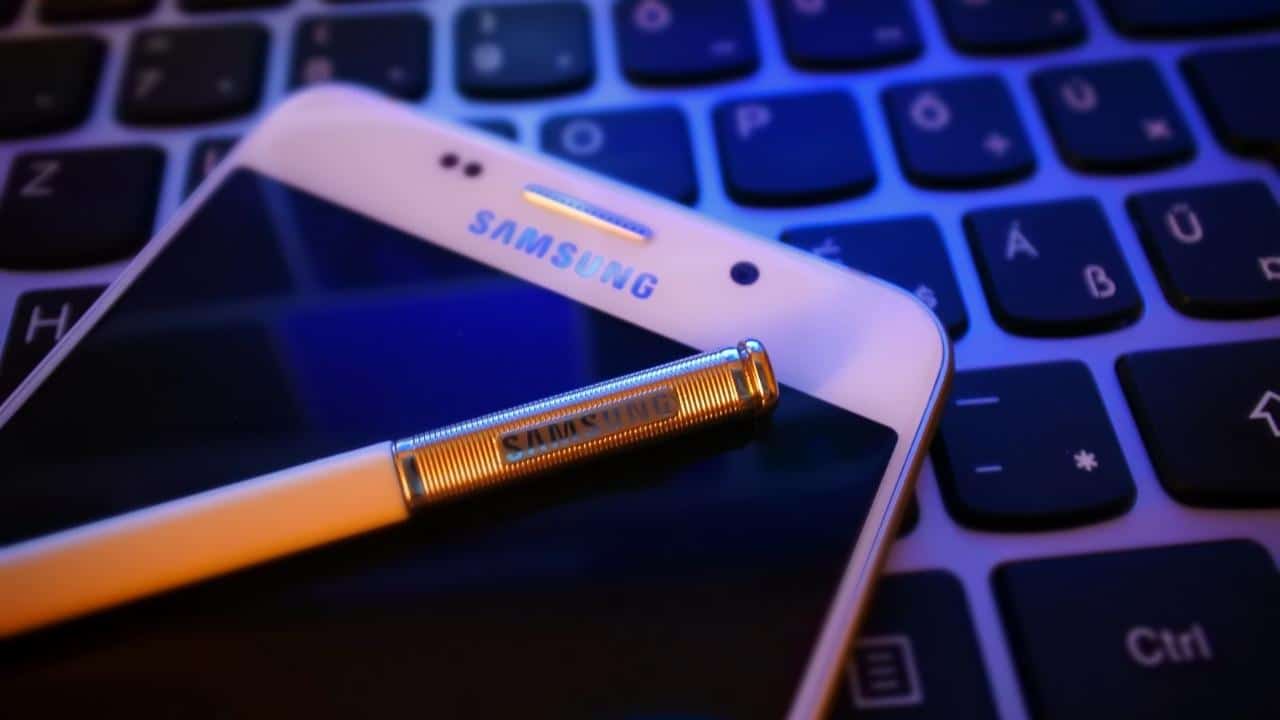
Technical specifications provide one of the most reliable ways to determine if a Samsung device is genuine. Checking the device's key parameters against official Samsung information or their website can reveal significant discrepancies. Pay particular attention to the following points:
- Screen size and resolution: Copies often have lower-quality screens, with resolutions different from the official ones. Always check that the exact data matches.
- Processor (SoC): The original model specifies whether it uses an Exynos, Snapdragon, or another chip, depending on the region. Replicas often have generic or unusual processors.
- Android version installed: An original Samsung will have the corresponding version of Android and official updates installed, never a generic customization layer or outdated versions.
- RAM and storage: Check that the quantity matches the official specifications. Counterfeits often promise large quantities (e.g., 12 GB of RAM) that they don't actually have.
- Battery capacity: Check the mAh figure and compare it with the original model.
- Model number: It should start with SM- or GT- on Samsung phones, followed by a combination of letters and numbers (for example, SM-G991B). A misspelled model number, with extra or incorrect letters, is a common sign of a fake.
To access this data, navigate to Settings > About phone > Device information . There you'll see all the details you need to compare with the official Samsung information. If there are any differences, it could be a counterfeit. Keep in mind that the chip may vary between regions, but everything else should match exactly.
Another option is to use applications like CPU-Z or AIDA64 , which allow you to analyze internal components and verify the manufacturer, screen, RAM, and more. If the data displayed by the app doesn't match the advertised model, it's likely a counterfeit.
https://androidguias.com/como-saber-si-un-samsung-es-igual/

Method 2: Use Samsung Secret Codes

Samsung incorporates hidden codes into its phone app to access internal menus and perform system tests. Clones and replicas generally do not support these special codes or display incomplete menus. To check if your phone is genuine:
- Open the phone call app.
- Access the numeric dialing keypad.
- Enter one of the following codes and press call:
- *#0*# : Open the Samsung hardware test menu.
- *#32489#: Displays advanced information about the network and device.
- If a special test menu or advanced information appears, it's a sign of authenticity. If the code doesn't work or nothing happens, it could be a clone.
It's important to note that some newer or older models may have slight variations in the codes, but the two above are still the most common. If the codes don't work and the rest of your checks don't match, you should be suspicious.
https://androidguias.com/guia-para-activar-desbloqueo-oem-en-tu-samsung/

Method 3: Physical and Visual Check
Counterfeits can look very realistic at first glance, but they often fall short in details such as finish, materials, and ergonomics . Use your sense of sight and touch and compare them to a genuine Samsung in a store, or in official images or videos. Check:
- Quality of materials: Replicas often use cheap plastics, while originals employ metal, glass, and premium finishes.
- Logo and screen printing: The Samsung logo must be printed perfectly, without errors or strange marks.
- Exact dimensions: Many clones have a slightly different thickness, weight, or size.
- Button and port locations: Originals follow a standard pattern. Replicas may have minor alignment errors or misplaced components.
- Shine and reflections: The glass and screen of an original Samsung reflect evenly, while clones may have strange or distorted reflections.
Use photos and videos of an original model and compare every detail. If you have access to a physical store, ask to see a similar one to spot the differences.
Method 4: Check the Packaging and Accessories
Samsung's original packaging is another element to examine closely, as the box and accessories often quickly reveal a counterfeit product.
- Packaging label: It must have a barcode, model number (SM- or GT-), serial number (S/N), IMEI, and clear information without spelling or printing errors. Any errors in language or formatting are suspect.
- Accessories: The original package includes only the official accessories (fast charger, USB cable, manual, and SIM tool). If it comes with a large number of extra accessories or items that Samsung doesn't provide (such as low-quality cases, unusual earphones, or unusual adapters), be suspicious.
- Box quality: It should be perfectly sealed and have high-quality printing. If the box is flimsy, has faded colors, or has an off-center logo, it's probably fake.
If you have any doubts, look for the model number and IMEI on the box and check it against the phone's internal information (Settings > About phone). They should match.
Method 5: Checking IMEI and Serial Number
The IMEI (International Mobile Equipment Identity) is the unique identifier for each mobile device worldwide, and along with the serial number, it's the best way to verify authenticity. To check them:
- Open the calling app and dial *#06#.
- One or two 15-digit IMEI numbers will be displayed on the screen.
- The IMEI must begin with a valid number, usually 35.
- Look for this IMEI on the back of the device, on the battery (if removable), or on the sticker on the side of the box.
- El serial number The S/N is made up of letters and numbers and usually appears after the S/N label on both the box and the phone settings.
If the device doesn't display the IMEI, or if the IMEI on the box and the phone don't match, it's almost certainly a clone. You can verify the IMEI's legitimacy through official websites like the official Samsung site . Having the IMEI number and serial number is also necessary for Samsung warranty claims and promotions.
Method 6: Check the Model Number
The model number is another key identifier. Samsung uses codes like SM- or GT- followed by letters and numbers. For example, the Galaxy S23 Ultra is SM-S918B or SM-S9180 depending on the region.
- This number always appears on the back, on the battery, or in the phone settings.
- It must exactly match the official Samsung model. An incorrect or typographical number indicates a counterfeit.
You can look up the model number online or check Samsung's official website to confirm that it belongs to the correct device family.
Method 7: Check if it is Refurbished
Not all problems stem from counterfeits, but also from refurbished devices sold as new. To detect if your Samsung has been refurbished or returned:
- Open the calling app.
- Write 786 ## # and press call.
- Choose View to access information on the terminal.
- Look for the "Refurbished Status" entry. If it appears, the device has been refurbished.
- On refurbished phones, you may also find signs of wear, double sealing on the box, or minor differences in the accessories.
Buying refurbished products isn't a bad idea: they come with a warranty and may work perfectly, but they should never be sold at the price of new.
Method 8: Checking using Official Samsung Apps
To strengthen verification, Samsung provides official apps:
- Samsung Members: It allows you to check the status of your phone, access diagnostics, and verify that the software and IMEI are original.
- Find My Mobile and YourService: They allow you to locate your device and access services linked only to genuine Samsung phones.
These apps will not work properly on duplicates or replicas, as they require connection to Samsung services and internal verification of the hardware and software.
Method 9: Power and Component Testing with Benchmark Apps
Another way to detect a fake mobile phone is by subjecting it to performance and component tests with apps like Geekbench or Antutu :
- Available on Google Play, these apps measure the actual power of the processor, RAM, graphics, etc.
- Compare the results with the official data for the Samsung model. If the performance is significantly lower, it's probably a copy with inferior hardware.
- Additionally, if the app doesn't correctly recognize the processor or motherboard, it's also a sign of counterfeiting.
Method 10: Price, Place of Purchase and Common Sense
Price and sales channel are key indicators. Nobody gives away high-end phones for less than their actual value except during official promotions and specific sales events. Be wary if you see a new Samsung with an exaggerated discount outside of special periods like Black Friday or official sales.
- Avoid purchasing from unauthorized websites or sellers, unsecured secondhand markets, or suspicious ads on social media.
- Always check the seller's reputation and the opinions of other buyers.
- Be careful with devices from other regions: the model number may be legitimate but intended for foreign markets, causing compatibility and warranty issues.
When a deal seems too good to be true, it usually is. Do your research, compare prices, and if you have any questions, consult official Samsung support.
Method 11: Operating System and Updates
The operating system is another clue. Samsung equips its phones with the One UI customization layer and provides regular security updates. Clones may come with generic versions of Android, lacking customization and compatibility with exclusive apps.
- Go to Settings > Software information and verify that you have One UI and the Android version promised for that model.
- If your phone can't find updates or has a strange ROM, be suspicious.
Method 12: Network and Carrier Compatibility
Some clones do not support all the frequency bands of the original model, which can cause signal or coverage problems. Check:
- That the phone connects correctly to 4G, 5G and your operator's networks.
- If you can't activate certain features (VoLTE, WiFi Calling), it could be a copy or unapproved import model.
Always check with your carrier if you experience network issues after purchase.
Frequently asked questions about original and replica Samsung products
- Can a clone have IMEI? Some clones copy a valid IMEI, but they often use generic, duplicate, or invalid codes. Furthermore, the IMEI, S/N, and model information never all match.
- Does the Samsung warranty cover copies? Only devices officially sold and registered by Samsung, with valid and matching IMEI and serial numbers, are covered by Samsung warranty.
- Are refurbished Samsung phones original? Yes, as long as your IMEI, serial number, and model match Samsung's records and the device has been refurbished by the brand or an authorized service center.
There are a multitude of complementary methods to determine if a Samsung is original or a counterfeit. Using all the previous checks—specifications, secret codes, physical analysis, official apps, IMEI/model test, benchmark, price analysis, and sales channel—will ensure you don't fall for scams and can enjoy an authentic Samsung phone, with access to all its benefits, updates, and warranty. If you have the slightest doubt, go to official Samsung support, compare your phone with a device in store, and never trust impossible offers. This way, your investment will be protected, and you'll browse with peace of mind knowing your smartphone is 100% original.